Blog
How to Build: Lifespan Optimization & Lifecycle Management for Hospital AI Servers using Prism TMT-7165-13 Medical Healthcare Tablet
Teguar Engineering Team · December 14, 2025
An engineering guide showing how to implement lifespan optimization & lifecycle management for hospital ai servers on Teguar's purpose-built Prism TMT-7165-13 Medical Healthcare Tablet with ai hardware integration.
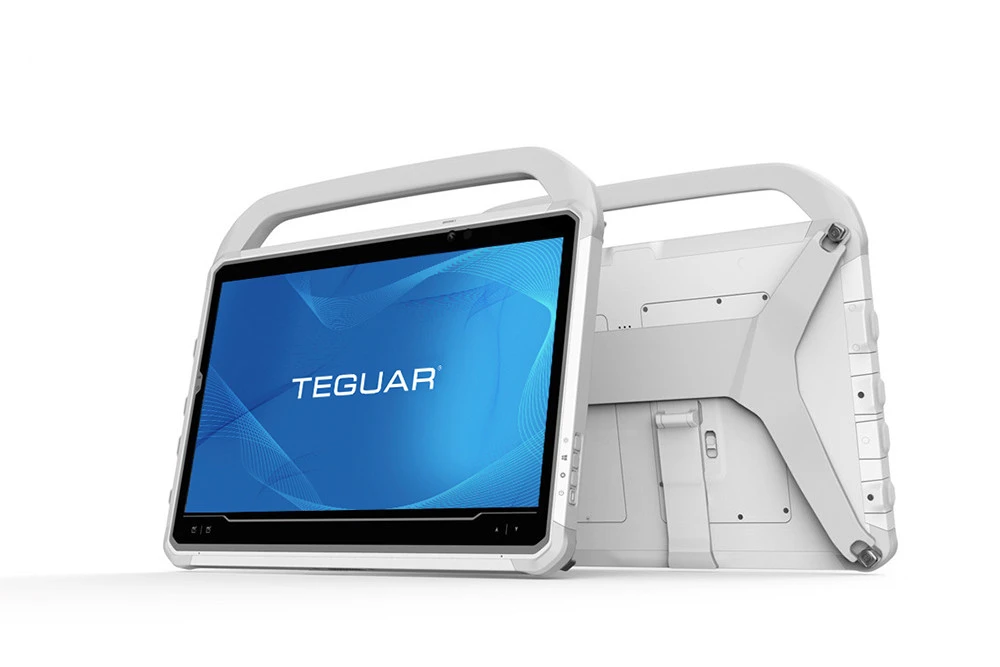
title: "How to Build: Lifespan Optimization & Lifecycle Management for Hospital AI Servers using Prism TMT-7165-13 Medical Healthcare Tablet" excerpt: "An engineering guide showing how to implement lifespan optimization & lifecycle management for hospital ai servers on Teguar's purpose-built Prism TMT-7165-13 Medical Healthcare Tablet with ai hardware integration." date: "2026-07-07" skill: "AI Hardware Integration" hardware_name: "Prism TMT-7165-13 Medical Healthcare Tablet" hardware_img: "13-inch-healthcare-tablet-prism-tmt-7165-13.jpg" hardware_type: "medical-tablet"
Executive Summary
An engineering guide showing how to implement lifespan optimization & lifecycle management for hospital ai servers on Teguar's purpose-built Prism TMT-7165-13 Medical Healthcare Tablet with ai hardware integration.
Deploying AI workloads at the point-of-care introduces rigorous requirements for hardware reliability, thermal management, and long-term support. In this engineering guide, we outline how healthcare IT departments can implement a comprehensive lifespan optimization and lifecycle management strategy for hospital AI server infrastructure using the Prism TMT-7165-13 Medical Healthcare Tablet as a central diagnostic, telemetry, and administrative console.
The Challenge of Hospital AI Server Lifecycles
Hospital data centers and edge server farms face unique environmental constraints. Unlike commercial data centers with dedicated, highly controlled HVAC environments, clinical edge cabinets are often located in utility closets, nurses' stations, or inside operating rooms where dust, restricted airflow, and continuous 24/7/365 operation accelerate component wear. Furthermore, medical hardware must adhere to strict regulatory lifecycles, where frequent component revisions or firmware changes can trigger costly re-certification processes.
Utilizing the Prism TMT-7165-13 Medical Healthcare Tablet as a Telemetry Console
The Prism TMT-7165-13 Medical Healthcare Tablet provides a rugged, clinical-grade interface for administrators to monitor, diagnose, and manage server clusters. With its high-resolution multi-touch display, antimicrobial enclosure, and mobile-friendly form factor, it serves as the ideal mobile dashboard for:
- Out-of-Band Management (IPMI/Redfish): Interface directly with baseboard management controllers (BMCs) to monitor thermals, fan speeds, and voltage lines.
- Predictive Failure Analytics: Running lightweight anomaly detection scripts that analyze server telemetry to predict drive or fan failures.
- Firmware & Patching Orchestration: A secure, isolated gateway to push verified firmware upgrades without exposing the servers to external networks.
graph TD
    A[Hospital AI Servers] -->|IPMI / Redfish Telemetry| B[Prism TMT-7165-13 Medical Healthcare Tablet]
    B -->|Predictive Diagnostics| C[IT Maintenance Dashboard]
    B -->|Firmware Deployment| A
    C -->|Alerting| D[On-Call BioMed Engineer]
Step-by-Step Lifecycle Management Implementation
To optimize the lifespan of clinical AI infrastructure, follow this structural workflow:
1. Telemetry Aggregation & Ingestion
Configure the edge servers to publish hardware telemetry over secure channels. Use Prometheus or an equivalent lightweight agent to scrape sensors:
- CPU/GPU junction temperatures.
- Passive/active cooling performance.
- Storage write endurance (TBW - Terabytes Written) for NVMe SSDs.
2. Dashboard Deployment on the Tablet
Build a React-based monitoring portal optimized for the Prism TMT-7165-13 Medical Healthcare Tablet's touch interface. Use WebSockets to stream real-time thermal alerts and utilization logs.
3. Implementing Predictive Maintenance Logic
Deploy a python script on the telemetry aggregator that detects anomalous thermal drift. A gradual rise in baseline GPU temperature under identical workloads is a primary indicator of thermal paste degradation or dust accumulation in the cooling fins.
Configuration & Monitoring Script
The following Python script runs on the diagnostic network to poll server health logs via Redfish API and report metrics to the tablet dashboard:
import requests
import json
import time

SERVERS = ["10.10.50.11", "10.10.50.12", "10.10.50.13"]
REDFISH_PATH = "/redfish/v1/Chassis/Self/Thermal"
TEMP_THRESHOLD_CELSIUS = 82.0

def check_server_thermals(ip):
    url = f"https://{ip}{REDFISH_PATH}"
    try:
        # Secure connection using hospital certificates
        response = requests.get(url, verify="/etc/ssl/certs/hospital_ca.pem", timeout=3)
        if response.status_code == 200:
            data = response.json()
            for sensor in data.get("Temperatures", []):
                name = sensor.get("Name")
                reading = sensor.get("ReadingCelsius")
                if reading > TEMP_THRESHOLD_CELSIUS:
                    trigger_alert(ip, name, reading)
        else:
            print(f"Failed to poll Redfish on {ip}: HTTP {response.status_code}")
    except Exception as e:
        print(f"Error connecting to server {ip}: {e}")

def trigger_alert(ip, sensor_name, temp):
    payload = {
        "alert": "CRITICAL_THERMAL_ALERT",
        "server": ip,
        "sensor": sensor_name,
        "temperature": temp,
        "timestamp": time.time()
    }
    # Push alert directly to the Tablet UI WebSocket endpoint
    requests.post("http://tablet-dashboard.local/api/alerts", json=payload)

if __name__ == "__main__":
    while True:
        for s in SERVERS:
            check_server_thermals(s)
        time.sleep(10)
Conclusion
By integrating the Prism TMT-7165-13 Medical Healthcare Tablet with active IPMI monitoring and predictive failure analytics, hospital engineering teams can transform reactive hardware replacement into a proactive, scheduled maintenance program. This maximizes the return on investment of expensive GPU compute blocks while guaranteeing clinical uptime.