Blog
How to Build: Automated Prescription Double-Check & Interaction Safety Agents using TM-4433-10 Compact Medical Computer
Teguar Engineering Team · May 22, 2025
An engineering guide showing how to implement automated prescription double-check & interaction safety agents on Teguar's purpose-built TM-4433-10 Compact Medical Computer with agentic ai & automation.
title: "How to Build: Automated Prescription Double-Check & Interaction Safety Agents using TM-4433-10 Compact Medical Computer" date: "2026-07-07" category: "Agentic AI & Automation" tags: ["TM-4433-10 Compact Medical Computer", "medical-panel-pc", "Edge AI", "Healthcare Tech"] excerpt: "An engineering guide showing how to implement automated prescription double-check & interaction safety agents on Teguar's purpose-built TM-4433-10 Compact Medical Computer with agentic ai & automation."
An engineering and architecture guide showing how to implement automated prescription double-check & interaction safety agents on Teguar's purpose-built TM-4433-10 Compact Medical Computer.
Introduction
Modern healthcare facilities demand high-performance, ultra-reliable computing solutions that can sit directly at the point-of-care. In this engineering guide, we walk through how developers can deploy Automated Prescription Double-Check & Interaction Safety Agents utilizing Teguar's advanced hardware to achieve optimal performance, reliability, and security in clinical environments.
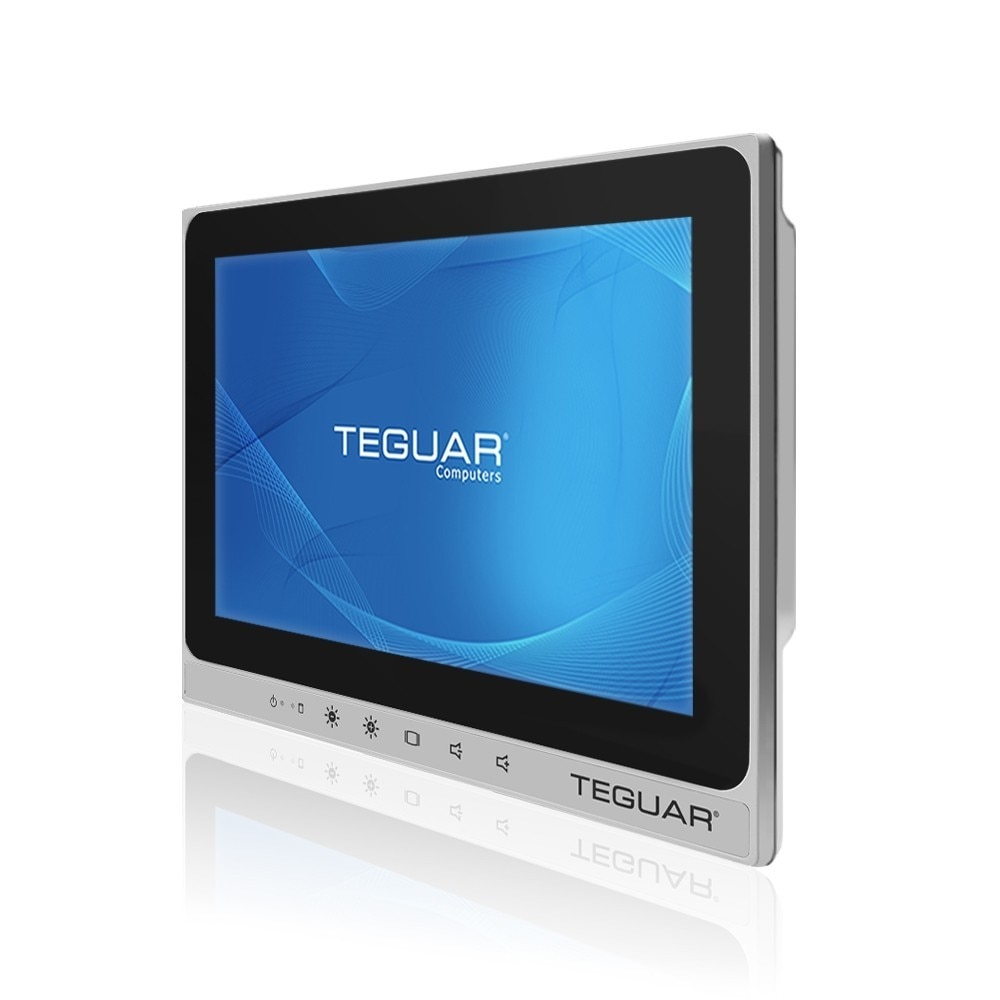
Hardware Platform: TM-4433-10 Compact Medical Computer
Deploying AI models or interactive full-stack dashboards in hospital wards requires specialized hardware. The TM-4433-10 Compact Medical Computer offers:
- UL/EN 60601-1 Medical Certification: Certified electrical safety and EMC compliance for patient-adjacent use.
- Fanless & Sealed Enclosure: Eliminates moving parts, preventing dust accumulation and enabling thorough sanitization with aggressive chemical cleaners.
- Robust Processing Power: Perfect for executing edge AI workloads, local LLM queries, or high-performance WebSockets communication.
System Architecture
The TM-4433-10 Compact Medical Computer acts as a dedicated pharmacy screen or bedside cart terminal to verify prescriptions:
- Prescription Parsing: Uses OCR or direct integration to extract drug name, dosage, and patient identifiers.
- Interaction Safety Agent: Queries local databases (such as RxNorm or PubChem via local mirrors) to check for drug-drug interactions, patient allergy matches, and age-related dosage adjustments.
- Bedside Double-Check UI: Presents a clear warning with color-coded safety margins before the drug is administered.
Step-by-Step Implementation
This Python module checks local database maps for active prescription interactions:
import sqlite3

def check_drug_interaction(rx_norm_id_a, rx_norm_id_b):
    conn = sqlite3.connect('local_interactions.db')
    cursor = conn.cursor()
    cursor.execute(
        "SELECT severity, description FROM interactions WHERE drug_a = ? AND drug_b = ?",
        (rx_norm_id_a, rx_norm_id_b)
    )
    result = cursor.fetchone()
    conn.close()
    if result:
        return {"alert": True, "severity": result[0], "details": result[1]}
    return {"alert": False}
Conclusion & Deployment Best Practices
When deploying this system into active clinical workflows:
- Network Redundancy: Ensure fallback to offline local models or stored states if hospital Wi-Fi drops.
- HIPAA & Security Compliance: Encrypt all data in transit (TLS 1.3) and at rest (TPM 2.0 / BitLocker).
- Sterilization Cycles: Schedule automated screen-lock times for cleaning crews to sanitize the TM-4433-10 Compact Medical Computer without registering accidental touch input.
*To configure a customized build of the TM-4433-10 Compact Medical Computer for your facility, contact a Teguar product specialist.*