Blog
How to Build: Architecting Disaster Recovery for Offline Bedside AI Systems using Prism TMT-7165-13 Medical Healthcare Tablet
Teguar Engineering Team · November 26, 2025
An engineering guide showing how to implement architecting disaster recovery for offline bedside ai systems on Teguar's purpose-built Prism TMT-7165-13 Medical Healthcare Tablet with ai solutions architecture.
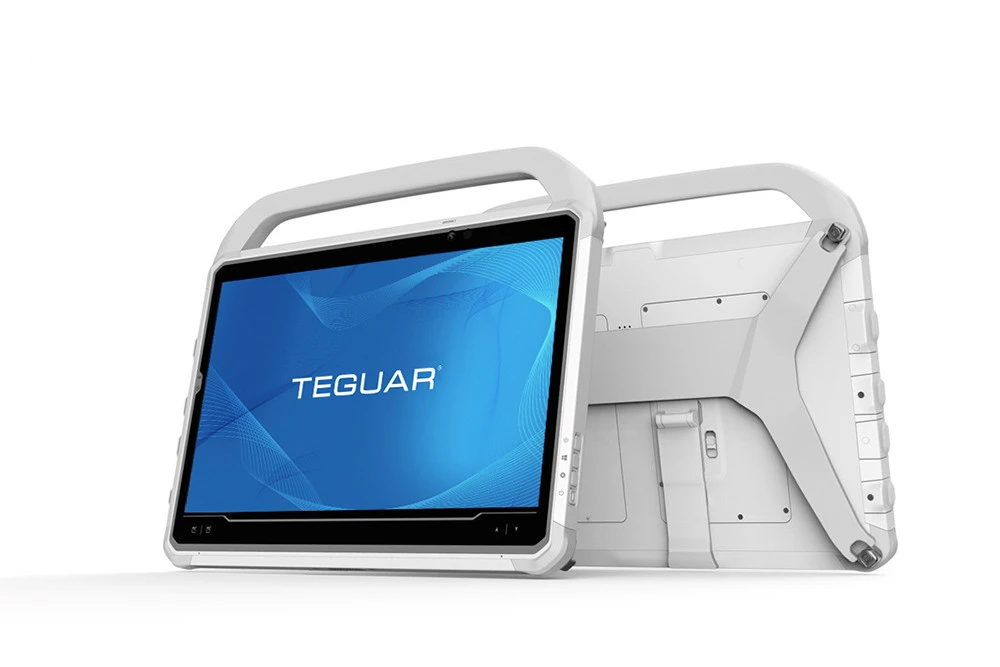
title: "How to Build: Architecting Disaster Recovery for Offline Bedside AI Systems using Prism TMT-7165-13 Medical Healthcare Tablet" excerpt: "An engineering guide showing how to implement architecting disaster recovery for offline bedside ai systems on Teguar's purpose-built Prism TMT-7165-13 Medical Healthcare Tablet with ai solutions architecture." date: "2026-07-07" skill: "AI Solutions Architecture" hardware_name: "Prism TMT-7165-13 Medical Healthcare Tablet" hardware_img: "13-inch-healthcare-tablet-prism-tmt-7165-13.jpg" hardware_type: "medical-tablet"
Executive Summary
An engineering guide showing how to implement architecting disaster recovery for offline bedside ai systems on Teguar's purpose-built Prism TMT-7165-13 Medical Healthcare Tablet with ai solutions architecture.
Critical care cannot stop when network connections fail. In hospital environments, cloud outages, local network issues, or severe weather events can sever connections to central cloud EHR databases. This guide details how to architect a robust disaster recovery system that allows local bedside AI platforms to operate offline using the Prism TMT-7165-13 Medical Healthcare Tablet.
The Necessity of Offline-First Bedside AI
Many modern clinical support systems rely on cloud-hosted Large Language Models (LLMs) or remote inference databases. However, during a network failure, bedside devices must fall back to local computation instantly. An offline-first design pattern ensures that clinicians can access local search tools, patient record summaries, and vitals anomaly detection algorithms without a WAN link.
graph TD
    A[Bedside Devices] -->|Data Streams| B[Prism TMT-7165-13 Medical Healthcare Tablet]
    B -->|Network Available: Sync| C[Central Hospital EHR & Cloud AI]
    B -->|Network Outage: Offline Mode| D[Local SQLite Cache & Edge AI Models]
    D -->|Local Display| E[Clinician UI]
The Role of the Prism TMT-7165-13 Medical Healthcare Tablet
The Prism TMT-7165-13 Medical Healthcare Tablet is the ideal edge platform for disaster recovery. Its mobile tablet form factor, integrated battery backup, and local storage capabilities allow it to operate as an independent clinical node when disconnected from the main network.
- Onboard Flash Storage: Supports large local databases (up to 512GB+ SSD).
- Integrated Battery Pack: Keeps the device running through electrical brownouts.
- Hardware Wi-Fi & Bluetooth: Enables peer-to-peer data syncing with nearby devices.
Disaster Recovery Architecture Patterns
1. Local SQLite Caching
Maintain a rolling local database cache of active patients in the ward, updated every 5 minutes. If connection is lost, read and write requests are logged locally.
2. Bidirectional Offline Syncing
Use Conflict-free Replicated Data Types (CRDTs) to sync offline changes back to the main EHR database once the network returns, resolving updates without data loss.
3. Edge Inference Fallback
When cloud APIs timeout, automatically route inference calls to a quantized model (like Llama-3-8B-Instruct-Q4) running locally on the tablet.
Local Cache Sync Script
The following Python script implements a bidirectional synchronization logic with an offline fallback mechanism:
import sqlite3
import requests
import json
import time

LOCAL_DB = "/opt/clinical/local_cache.db"
CLOUD_API = "https://ehr-central.hospital.org/api/v1/patients"

def init_db():
    conn = sqlite3.connect(LOCAL_DB)
    cursor = conn.cursor()
    cursor.execute('''
        CREATE TABLE IF NOT EXISTS patient_logs (
            id INTEGER PRIMARY KEY AUTOINCREMENT,
            patient_id TEXT,
            log_text TEXT,
            timestamp REAL,
            synced INTEGER DEFAULT 0
        )
    ''')
    conn.commit()
    conn.close()

def log_patient_vitals(patient_id, vitals_text):
    # Log vital signs to local SQLite database
    conn = sqlite3.connect(LOCAL_DB)
    cursor = conn.cursor()
    cursor.execute(
        "INSERT INTO patient_logs (patient_id, log_text, timestamp) VALUES (?, ?, ?)",
        (patient_id, vitals_text, time.time())
    )
    conn.commit()
    conn.close()
    print("Vitals saved to local cache.")

    # Try syncing to cloud immediately
    sync_to_cloud()

def sync_to_cloud():
    conn = sqlite3.connect(LOCAL_DB)
    cursor = conn.cursor()
    cursor.execute("SELECT id, patient_id, log_text, timestamp FROM patient_logs WHERE synced = 0")
    unsynced = cursor.fetchall()

    for row in unsynced:
        row_id, patient_id, log_text, timestamp = row
        payload = {"patientId": patient_id, "notes": log_text, "created": timestamp}
        try:
            # Sync payload to central servers
            response = requests.post(CLOUD_API, json=payload, timeout=2)
            if response.status_code == 200:
                cursor.execute("UPDATE patient_logs SET synced = 1 WHERE id = ?", (row_id,))
                print(f"Successfully synced log {row_id} to cloud.")
        except Exception:
            print("EHR Network offline. Retaining logs locally in tablet cache.")
            break

    conn.commit()
    conn.close()

if __name__ == "__main__":
    init_db()
    # Log a test vitals entry
    log_patient_vitals("PT_99824", "Blood pressure: 120/80 mmHg, Heart rate: 72 bpm")
Conclusion
Architecting bedside systems with offline-first capabilities ensures that patient care is never compromised by connectivity drops. By deploying the Prism TMT-7165-13 Medical Healthcare Tablet with local caching and edge-compatible databases, hospitals ensure clinical services remain uninterrupted.