Blog
How to Build: Agentic Clinical Documentation & Scribe Workflows at the Bedside using TMB-7115 Medical AI Computer
Teguar Engineering Team · January 24, 2026
An engineering guide showing how to implement agentic clinical documentation & scribe workflows at the bedside on Teguar's purpose-built TMB-7115 Medical AI Computer with agentic ai & automation.
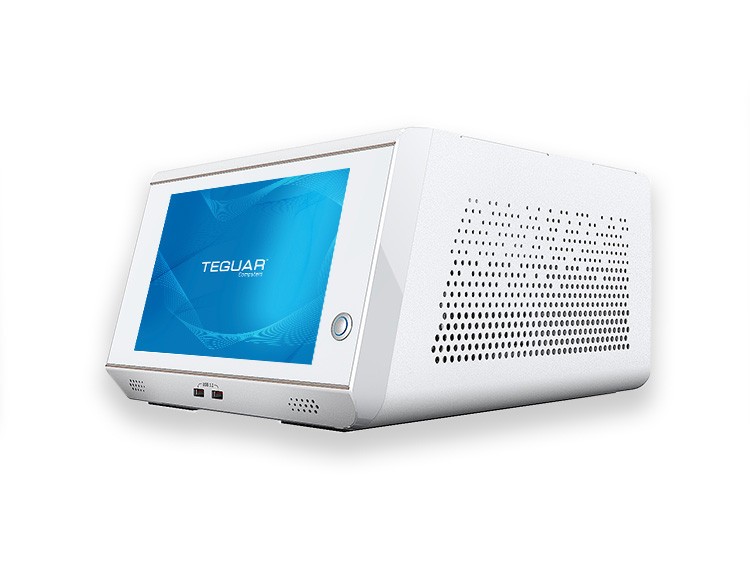
title: "How to Build: Agentic Clinical Documentation & Scribe Workflows at the Bedside using TMB-7115 Medical AI Computer" date: "2026-07-07" category: "Agentic AI & Automation" tags: ["TMB-7115 Medical AI Computer", "medical-box-pc", "Edge AI", "Healthcare Tech"] excerpt: "An engineering guide showing how to implement agentic clinical documentation & scribe workflows at the bedside on Teguar's purpose-built TMB-7115 Medical AI Computer with agentic ai & automation."
An engineering and architecture guide showing how to implement agentic clinical documentation & scribe workflows at the bedside on Teguar's purpose-built TMB-7115 Medical AI Computer.
Introduction
Modern healthcare facilities demand high-performance, ultra-reliable computing solutions that can sit directly at the point-of-care. In this engineering guide, we walk through how developers can deploy Agentic Clinical Documentation & Scribe Workflows at the Bedside utilizing Teguar's advanced hardware to achieve optimal performance, reliability, and security in clinical environments.
Hardware Platform: TMB-7115 Medical AI Computer
Deploying AI models or interactive full-stack dashboards in hospital wards requires specialized hardware. The TMB-7115 Medical AI Computer offers:
- UL/EN 60601-1 Medical Certification: Certified electrical safety and EMC compliance for patient-adjacent use.
- Fanless & Sealed Enclosure: Eliminates moving parts, preventing dust accumulation and enabling thorough sanitization with aggressive chemical cleaners.
- Robust Processing Power: Perfect for executing edge AI workloads, local LLM queries, or high-performance WebSockets communication.
System Architecture
Bedside clinical documentation is notoriously time-consuming. The TMB-7115 Medical AI Computer runs a bedside scribe pipeline:
- Audio Ingestion: Captures patient-doctor conversation using highly directional array microphones.
- Speech-to-Text & Diarization: Separates physician and patient voices locally on-device.
- Scribe Summarization Agent: Extracts clinical facts, drafts SOAP notes (Subjective, Objective, Assessment, Plan), and maps them to EHR fields for quick review.
Step-by-Step Implementation
Here is how the local transcription and clinical note generation is orchestrated:
from whisper import load_model

asr_model = load_model("base.en")

def transcribe_and_draft_soap(audio_file_path):
    # 1. Transcribe audio file locally
    result = asr_model.transcribe(audio_file_path)
    transcript = result["text"]

    # 2. Structure into SOAP note using local LLM
    soap_draft = generate_soap_from_transcript(transcript)
    return soap_draft
Conclusion & Deployment Best Practices
When deploying this system into active clinical workflows:
- Network Redundancy: Ensure fallback to offline local models or stored states if hospital Wi-Fi drops.
- HIPAA & Security Compliance: Encrypt all data in transit (TLS 1.3) and at rest (TPM 2.0 / BitLocker).
- Sterilization Cycles: Schedule automated screen-lock times for cleaning crews to sanitize the TMB-7115 Medical AI Computer without registering accidental touch input.
*To configure a customized build of the TMB-7115 Medical AI Computer for your facility, contact a Teguar product specialist.*